

Morning and Evening Adhkar represent a cornerstone of daily Islamic practice, offering structured remembrance of Allah. An open-source database project facilitates access to these vital supplications in both Arabic and English, streamlining devotional routines.
What are Adhkar?
Adhkar, derived from the Arabic root “dhikr,” fundamentally means remembrance. In an Islamic context, it encompasses the consistent and conscious recollection of Allah (God) through specific phrases, prayers, and verses from the Quran. These recitations, often found compiled in morning and evening adhkar PDFs, aren’t merely rote repetition; they are a powerful means of spiritual connection.
These structured remembrances include declarations of faith, glorification of Allah, seeking His protection, and expressing gratitude. The availability of these compilations, like the open-source database project mentioned, provides organized access to authentic adhkar texts in both Arabic and English, making consistent practice more accessible to a wider audience. They are a vital component of a Muslim’s daily worship.
The Importance of Adhkar in Islam
Adhkar holds immense significance in Islam, deeply rooted in the Quran and Sunnah (teachings and practices of the Prophet Muhammad, peace be upon him). Consistent remembrance of Allah is believed to purify the heart, strengthen faith, and bring one closer to divine guidance. Accessing these through readily available morning and evening adhkar PDFs, or even open-source databases, simplifies this practice.
The Prophet Muhammad (PBUH) emphasized the importance of adhkar, highlighting its protective qualities and blessings. Regularly reciting these supplications, particularly those compiled in these resources, fosters a constant awareness of Allah in all aspects of life. This consistent connection is considered a key to attaining peace, contentment, and success in both worlds.
Availability of Adhkar in PDF Format
Morning and evening adhkar are widely accessible in PDF format, catering to diverse learning preferences and technological access. Numerous Islamic websites and online libraries offer downloadable PDFs containing authentic collections of these supplications, often including Arabic text, transliteration, and English translations.
Furthermore, the emergence of open-source projects, like the database mentioned, contributes to a more organized and readily available resource. These PDFs often present a structured format for daily recitation, making it easier to incorporate adhkar into one’s routine. Mobile applications also frequently utilize these PDF-based contents, offering convenient access on smartphones and tablets.

The Benefits of Reciting Morning Adhkar
Morning adhkar provide spiritual fortification, inviting Allah’s blessings and strengthening one’s connection with Him throughout the day, as detailed in accessible PDF resources.
Spiritual Protection
Reciting morning adhkar acts as a powerful shield against negative energies and harmful influences throughout the day. These prescribed remembrances of Allah, readily available in morning adhkar PDF formats, invoke divine protection and safeguard the believer from unseen harms.
The specific supplications within these routines are designed to seek refuge in Allah, acknowledging His supreme power and seeking His assistance. Consistent recitation creates a spiritual barrier, fostering a sense of security and peace.
This protection isn’t merely preventative; it also aids in overcoming challenges and navigating difficulties with resilience. Utilizing a reliable adhkar PDF ensures accurate recitation and maximizes the spiritual benefits, offering continuous divine guardianship.
Increased Blessings (Barakah)
Morning and evening adhkar, conveniently found in adhkar PDF resources, are instrumental in attracting Allah’s blessings – known as Barakah – into one’s life. These remembrances are not simply rituals, but active expressions of gratitude and reliance on the Divine.
Consistent recitation fosters a mindset of thankfulness, opening pathways for increased provision, well-being, and success in all endeavors. The supplications within these routines acknowledge Allah as the source of all blessings, inviting His favor and abundance.
A well-structured adhkar PDF provides a readily accessible guide to these powerful invocations, enabling believers to consistently cultivate a life filled with Barakah and divine grace.
Strengthening Connection with Allah
Morning and evening adhkar, easily accessible through a comprehensive adhkar PDF, serve as vital conduits for deepening one’s spiritual connection with Allah. These regular acts of remembrance are a direct response to His command to remember Him often, fostering a constant awareness of His presence.
By consistently engaging with these supplications, believers cultivate a stronger relationship built on love, reverence, and reliance. The structured format of an adhkar PDF ensures no essential remembrance is overlooked, promoting a holistic approach to spiritual growth.
This consistent connection provides solace, guidance, and a profound sense of peace, anchoring the heart to the Divine.

The Benefits of Reciting Evening Adhkar
Evening Adhkar, found conveniently in adhkar PDF resources, offer profound benefits – gratitude for blessings received, seeking refuge, and attaining inner peace before rest.
Gratitude and Remembrance
Evening Adhkar, readily available in comprehensive adhkar PDF guides, are fundamentally acts of gratitude to Allah for the blessings bestowed throughout the day. These recitations serve as a powerful reminder of His constant presence and provision.
Specifically, the practice encourages mindful reflection on the day’s experiences, acknowledging both ease and hardship as part of a divine plan. This cultivates a deeper appreciation for life’s gifts and strengthens one’s connection with the Creator.
The consistent performance of these remembrances isn’t merely rote repetition; it’s a heartfelt expression of thankfulness, fostering humility and contentment. Utilizing a well-structured adhkar PDF ensures all essential expressions of gratitude are included in your nightly routine.
Seeking Refuge from Harm
Evening Adhkar, conveniently found within detailed adhkar PDF resources, prominently feature supplications specifically designed for seeking refuge from the harms of the night. These include protection from the whispers of Shaytan (Satan), negative thoughts, and unseen dangers.
Reciting these verses and phrases isn’t superstitious; it’s an act of reliance on Allah’s power and mercy. It acknowledges human vulnerability and seeks divine safeguarding. A comprehensive adhkar PDF will include verses like those from Surah Al-Falaq and An-Nas, directly addressing this need for protection.
This practice instills a sense of security and peace, allowing for restful sleep and a renewed spirit for the following day, reinforcing faith and trust in Allah’s unwavering protection.
Peace of Mind and Tranquility
Evening Adhkar, readily accessible in comprehensive adhkar PDF guides, cultivate a profound sense of inner peace and tranquility before sleep. The act of remembrance shifts focus away from daily anxieties and towards the divine, fostering a calm and grateful heart.
Regular recitation of these supplications, often including Tasbih (glorifying Allah), Tahmid (praising Allah), and Takbir (declaring Allah’s greatness), soothes the soul and reduces stress. A well-structured adhkar PDF provides the necessary texts for this calming ritual;
This practice prepares the mind for restful sleep, promoting emotional well-being and a stronger connection with Allah, ultimately leading to a more peaceful and balanced life.

Content of a Typical Morning Adhkar PDF
Morning Adhkar PDFs commonly include Surah Al-Fatiha, Ayat al-Kursi, and the powerful protective verses of Surah Al-Ikhlas, Al-Falaq, and An-Nas for daily recitation.
Surah Al-Fatiha
Surah Al-Fatiha, the opening chapter of the Quran, holds immense significance and is invariably included in Morning Adhkar PDFs. Often referred to as “The Mother of the Book,” its seven verses encapsulate praise, seeking guidance, and expressing gratitude to Allah. Reciting this Surah initiates the day with a profound connection to the Divine.
Its inclusion isn’t merely ritualistic; it’s a foundational act of worship. The Surah’s verses acknowledge Allah’s Lordship, His mercy, and His ultimate authority. Regular recitation is believed to bring blessings and protection throughout the day. Many PDFs provide the Arabic text alongside transliteration and English translation, aiding comprehension and correct pronunciation for all users, regardless of their Arabic proficiency.
Ayat al-Kursi (Verse of the Throne)
Ayat al-Kursi, verse 255 of Surah Al-Baqarah, is a powerfully protective verse frequently found within Morning Adhkar PDFs. Known as “The Verse of the Throne,” it affirms Allah’s absolute power and knowledge over everything in existence. Its recitation is highly recommended, particularly upon waking, to safeguard against evil and negativity throughout the day.
Many believe Ayat al-Kursi offers a shield against harm, both physical and spiritual. PDFs often present the Arabic text with transliteration and English translations, enabling accurate recitation and understanding. The verse’s profound meaning reinforces faith and reminds believers of Allah’s constant presence and unwavering control, fostering a sense of security and peace.
Surah Al-Ikhlas, Al-Falaq, and An-Nas
Surah Al-Ikhlas (Purity), Al-Falaq (Dawn), and An-Nas (Mankind) are collectively known as the Mu’awwidhatayn – the protective chapters. These short, yet profoundly impactful surahs from the Quran are consistently included in both Morning and Evening Adhkar PDFs. Reciting them offers potent spiritual defense against various forms of harm, including the evil eye, black magic, and the whispers of Shaytan.
PDFs typically present these surahs in Arabic alongside transliteration and English translations, facilitating correct pronunciation and comprehension. Their concise nature makes them easily memorizable and readily recited throughout the day, reinforcing a continuous connection with Allah’s protection and guidance. They are a vital component of daily Islamic practice.

Content of a Typical Evening Adhkar PDF
Evening Adhkar PDFs commonly feature seeking forgiveness (Astaghfirullah), specific Quranic verses, and remembrance of Allah through Tasbih, Tahmid, and Takbir.
Seeking Forgiveness (Astaghfirullah)
Astaghfirullah, meaning “I seek forgiveness from Allah,” is a profoundly important component of evening Adhkar. Recognizing our imperfections and shortcomings throughout the day is central to Islamic belief, and sincerely requesting forgiveness demonstrates humility and a desire for purification.
Evening is considered an especially opportune time for seeking forgiveness, as it marks the conclusion of our daily actions and prepares us for rest. Repeatedly uttering “Astaghfirullah” serves as a powerful reminder of Allah’s mercy and our dependence on His grace.
Many Adhkar PDFs dedicated to evening remembrance prominently feature this phrase, often recommending its recitation a specific number of times – typically three or more – to fully encompass the act of seeking pardon for sins committed, both knowingly and unknowingly. It’s a vital step towards spiritual cleansing.
Reciting Specific Verses from the Quran
Evening Adhkar frequently include the recitation of select verses from the Quran, chosen for their protective qualities and spiritual significance. These verses aren’t arbitrary; they’re often those offering refuge from worldly harms and strengthening faith.
Commonly featured verses within Adhkar PDFs include those from Surah Al-Baqarah (the Cow), known for their powerful blessings and protection against evil. Reciting these verses is believed to create a shield against negative energies and anxieties encountered during the day and night.
The practice reinforces a connection with the divine word and serves as a constant reminder of Allah’s guidance. These verses, when recited with intention, offer solace and reassurance, preparing the heart for peaceful rest.
Remembrance of Allah (Tasbih, Tahmid, Takbir)
Evening Adhkar prominently feature the remembrance of Allah through Tasbih (glorification), Tahmid (praise), and Takbir (magnification). These forms of dhikr – repetitive declarations of Allah’s attributes – are central to Islamic devotion.
Adhkar PDFs typically outline specific numbers of repetitions for each phrase, such as reciting “SubhanAllah” (Glory be to Allah) 33 times, “Alhamdulillah” (Praise be to Allah) 33 times, and “Allahu Akbar” (Allah is the Greatest) 34 times.
This practice cultivates a constant awareness of Allah’s presence and power, fostering humility and gratitude. It’s a powerful way to conclude the day, centering the heart on the divine and seeking peace before sleep.

Finding Reliable Morning and Evening Adhkar PDFs
Locating authentic Adhkar PDFs requires utilizing trusted online Islamic libraries, reputable websites, and dedicated mobile applications designed for devotional practices.
Online Islamic Libraries and Websites
Numerous online platforms offer downloadable Adhkar PDFs, providing convenient access to these essential Islamic practices. Websites like IslamQA, Sunnah.com, and various digital libraries specializing in Islamic texts frequently host meticulously compiled collections of morning and evening remembrances.
When utilizing these resources, it’s crucial to prioritize sites known for their scholarly rigor and adherence to authentic Islamic sources. Look for PDFs reviewed or approved by recognized Islamic scholars to ensure accuracy and reliability. Many websites also offer accompanying audio recitations, aiding in correct pronunciation and fostering a deeper connection with the supplications. Always verify the source before incorporating any new Adhkar into your daily routine.
Mobile Applications with Adhkar
Smartphones have revolutionized access to Islamic resources, and numerous mobile applications now specialize in providing Adhkar. These apps often feature both Arabic text and English translations, alongside audio recitations for proper pronunciation. Popular choices include Muslim Pro, Daily Adhkar, and others readily available on both iOS and Android platforms.
Many apps offer customizable features, allowing users to set reminders for morning and evening Adhkar, track their progress, and even share supplications with friends. The convenience of having these resources readily available on mobile devices encourages consistent practice. However, as with online sources, verifying the authenticity of the Adhkar within the app is paramount.
Authenticity and Verification of Sources
When utilizing Adhkar resources, particularly PDFs or mobile applications, verifying authenticity is crucial. Not all sources are created equal, and inaccurate or fabricated supplications can negate the spiritual benefits. Referencing established Islamic scholars and reputable websites is essential. Look for sources that trace the Adhkar back to the Quran and authentic Sunnah (Prophet Muhammad’s teachings and practices).
Cross-referencing with multiple reliable sources helps ensure accuracy. Be wary of sources lacking clear chains of narration or those promoting innovations (bid’ah). Prioritize materials reviewed and endorsed by recognized Islamic institutions. Diligence in verification safeguards the integrity of your worship and strengthens your connection with Allah.

Understanding the Arabic Text and Translations
Accurate pronunciation of Adhkar is vital, alongside comprehension through reliable translations. Resources for learning Arabic enhance understanding and deepen the spiritual experience of these daily devotions.
Importance of Correct Pronunciation
Precise articulation of the Arabic words in Adhkar isn’t merely about linguistic accuracy; it’s deeply connected to the spiritual efficacy of the remembrance. The sounds themselves hold inherent blessings and a direct link to the divine. Mispronunciation, even slight, can alter the meaning and diminish the intended reward.
Many readily available Adhkar PDFs offer transliterations alongside the Arabic script, aiding those unfamiliar with the language. However, relying solely on transliteration can be problematic, as vowel sounds and subtle nuances are often lost. Seeking guidance from a knowledgeable teacher or utilizing audio recordings of native Arabic speakers is highly recommended.
Correct pronunciation demonstrates respect for the sacred texts and ensures that the supplications are offered as intended, maximizing their spiritual benefit. It’s a crucial aspect of sincere worship and a pathway to a stronger connection with Allah.
Utilizing Translations for Comprehension
While accurate pronunciation is paramount, understanding the meaning of the Adhkar is equally vital for a truly meaningful experience. Many morning and evening Adhkar PDFs thoughtfully include English translations alongside the Arabic text, bridging the linguistic gap for non-Arabic speakers.
These translations allow for deeper reflection on the supplications, fostering a more profound connection with their message. Simply reciting words without comprehension limits the spiritual impact. Engaging with the translation transforms Adhkar from a ritualistic act into a heartfelt conversation with Allah.
However, it’s important to choose translations from reputable sources, ensuring accuracy and faithfulness to the original Arabic meaning. A clear understanding enhances the sincerity and devotion within your daily remembrance.
Resources for Learning Arabic
For those aspiring to recite Adhkar with accurate pronunciation and deeper understanding, learning Arabic is immensely beneficial. Numerous resources cater to various learning styles, from traditional classroom settings to modern online platforms.
Many Islamic institutions offer Arabic language courses specifically designed for understanding the Quran and Sunnah, including the language of Adhkar. Online platforms like Madinah Arabic and Bayna Yadayk provide structured lessons. Mobile applications such as Duolingo and Memrise can supplement learning with vocabulary building.
Furthermore, exploring Tajweed (rules of pronunciation) resources will aid in reciting the Adhkar correctly, maximizing its spiritual reward and ensuring proper articulation.
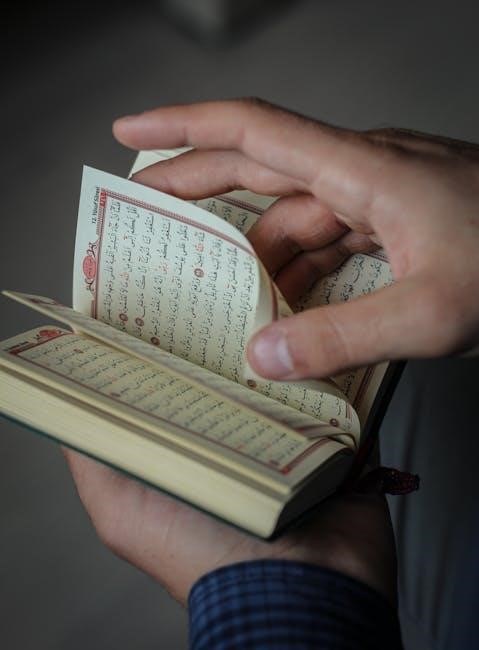
Open-Source Adhkar Databases and Projects (as of 03/26/2026)
An open-source project provides organized data for morning and evening Adhkar, available in both Arabic and English, facilitating wider access and utilization.
Database Structure and Data Organization
The open-source Adhkar database employs a structured format to ensure efficient data management and accessibility. Each Adhkar entry is meticulously categorized, including its Arabic text, transliteration for non-native speakers, and a corresponding English translation.
Data organization prioritizes clarity and ease of navigation. Entries are grouped by time – morning versus evening – and further subdivided by specific supplications or Quranic verses. Metadata accompanies each entry, detailing its source, authenticity level, and relevant commentary. This detailed structure allows for flexible querying and filtering, enabling users to quickly locate specific Adhkar based on their needs.
The database utilizes a relational model, linking Adhkar to associated benefits and recommended times for recitation, fostering a comprehensive understanding of this vital practice.
Availability in Arabic and English
A key feature of this open-source Adhkar project is its bilingual presentation, offering content in both the original Arabic and accurate English translations. This dual availability caters to a diverse audience, including native Arabic speakers and those still learning the language.
The Arabic text is presented with full diacritics (tashkil) to aid correct pronunciation. Alongside, transliteration is provided, simplifying recitation for individuals unfamiliar with the Arabic script. The English translations are carefully crafted to convey the precise meaning and nuance of the Arabic, ensuring comprehension.
This commitment to linguistic accessibility makes the Adhkar readily usable and beneficial for Muslims worldwide, regardless of their language proficiency.

Customizing Your Adhkar Routine
Personalize your daily Adhkar by incorporating specific duas (supplications) addressing individual needs and aspirations, enriching your spiritual connection with Allah.
Adding Duas (Supplications)
Beyond the standard Adhkar, incorporating personal duas significantly enhances your spiritual practice. These supplications, offered in your own words or drawn from the vast collection found in Islamic tradition, allow for a more intimate connection with Allah.
Consider adding duas related to specific challenges, goals, or gratitude for blessings received. A morning dua might focus on seeking guidance and strength for the day ahead, while an evening dua could express thankfulness and seek protection during sleep.
Utilizing a morning and evening Adhkar PDF as a base, you can easily append these personalized supplications, creating a routine uniquely tailored to your individual needs and spiritual journey. Remember to approach duas with sincerity and a humble heart.
Personalizing Based on Needs
A truly effective Adhkar routine isn’t rigid; it’s adaptable to life’s ever-changing circumstances. Utilizing a morning and evening Adhkar PDF provides a solid foundation, but personalization is key to maximizing its benefits.
If facing specific anxieties, incorporate duas for peace and reassurance. Struggling with health? Add supplications for healing and well-being. Experiencing gratitude for a particular blessing? Dedicate a dua to express thankfulness.
This customization ensures your Adhkar isn’t merely recitation, but a heartfelt conversation with Allah, addressing your unique needs and strengthening your faith during both joyful and challenging times. Tailor it to your life.

Making Adhkar a Daily Habit
Integrating Adhkar into your daily life, aided by readily available morning and evening Adhkar PDFs, is a transformative step towards spiritual enrichment. Consistency is paramount; even a brief, sincere recitation yields profound rewards.
Start small, perhaps with a few key verses, and gradually expand as comfort grows. Utilize mobile apps or printed materials for convenience. Remember, Adhkar isn’t a chore, but an opportunity for constant connection with Allah.
Embrace it as a source of strength, peace, and guidance, allowing its blessings to permeate every aspect of your day. Make it a cherished ritual, a daily reaffirmation of faith.