
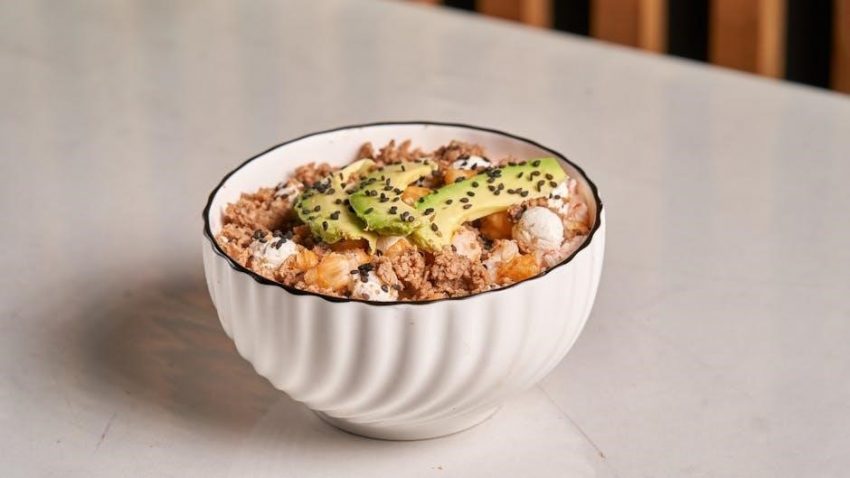
Embarking on a gluten-free journey can feel daunting‚ but a well-structured plan simplifies the transition. This 7-day plan showcases diverse‚ delicious options‚ proving a gluten-free lifestyle is achievable and enjoyable for everyone.
Discover improved digestion and increased energy levels with this easy-to-follow plan‚ designed for beginners and those with sensitivities‚ offering nutritious meals for all skill levels;
What is a Gluten-Free Diet?
A gluten-free diet meticulously excludes gluten‚ a protein found in wheat‚ barley‚ and rye. This isn’t merely a trend; it’s a medical necessity for individuals with celiac disease‚ gluten sensitivity‚ or wheat allergies. Understanding this is the first step towards successful meal planning.
Essentially‚ it involves carefully selecting foods that haven’t been cross-contaminated with gluten during processing. This requires diligent label reading and awareness of hidden gluten sources in seemingly innocuous products. A gluten-free lifestyle centers around naturally gluten-free foods like fruits‚ vegetables‚ lean proteins‚ and gluten-free grains such as rice and quinoa.
The goal isn’t deprivation‚ but rather a shift towards wholesome‚ naturally gluten-free alternatives. A well-planned gluten-free diet isn’t restrictive; it’s about making informed choices to support overall health and well-being‚ ensuring a balanced and nutritious intake.
Benefits of a 7-Day Gluten-Free Meal Plan
A structured 7-day gluten-free meal plan offers numerous advantages‚ extending beyond simply avoiding gluten. Many experience improved digestion as the gut heals from inflammation caused by gluten intolerance. This often translates to reduced bloating‚ gas‚ and abdominal discomfort‚ enhancing overall well-being.
Furthermore‚ individuals frequently report increased energy levels as their bodies more efficiently absorb nutrients without the interference of gluten. A well-designed plan emphasizes whole‚ naturally gluten-free foods‚ boosting nutrient intake and supporting a stronger immune system.
This focused approach can also aid in weight management and promote clearer skin. It’s a fantastic way to discover delicious‚ gluten-free recipes and establish sustainable healthy eating habits‚ making the transition easier and more enjoyable.
Preparing for a Gluten-Free Lifestyle
Transitioning requires creating a gluten-free environment‚ diligently reading food labels‚ and equipping your kitchen with essential tools for success and enjoyment.
Creating a Gluten-Free Environment
Establishing a dedicated gluten-free space is crucial‚ especially when sharing a kitchen. Begin by thoroughly cleaning all surfaces – countertops‚ cutting boards‚ and utensils – to eliminate potential cross-contamination. Consider designating specific areas for gluten-free food preparation and storage.
Separate gluten-free items from those containing gluten‚ using distinct containers and clearly labeling them. This prevents accidental exposure. Replace shared items like toasters‚ colanders‚ and cutting boards with gluten-free alternatives‚ or dedicate specific ones solely for gluten-free use.
Regularly sanitize surfaces and utensils to maintain a safe environment. A proactive approach minimizes risks and ensures peace of mind while embracing a gluten-free lifestyle. This careful preparation is a foundational step towards successful gluten-free living.
Reading Food Labels
Navigating food labels is paramount on a gluten-free diet. Always meticulously read ingredient lists‚ even on products you’ve used before‚ as formulations can change. Look beyond “gluten-free” claims; scrutinize the entire ingredient panel for hidden sources of gluten.
Beware of ingredients like wheat‚ barley‚ rye‚ and malt. Also‚ be cautious of modified food starch‚ hydrolyzed vegetable protein‚ and soy sauce‚ which may contain gluten. Familiarize yourself with common gluten-containing additives and their aliases.
Seek out products certified by reputable gluten-free organizations. Remember‚ “may contain wheat” indicates potential cross-contamination. Diligence in label reading is essential for maintaining a truly gluten-free diet and protecting your health.
Essential Kitchen Tools
Creating a dedicated gluten-free kitchen space begins with the right tools. Separate cutting boards – one for gluten-free foods‚ one for gluten-containing – are crucial to prevent cross-contamination. Similarly‚ designate separate toasters‚ colanders‚ and baking pans.
Invest in non-stick cookware to minimize the need for flour when cooking. A good quality blender or food processor simplifies making gluten-free flours and sauces. Consider silicone baking mats to prevent sticking and ensure even baking.
Clearly label all gluten-free tools and storage containers. Thoroughly clean all surfaces and utensils before preparing gluten-free meals. These tools are vital for maintaining a safe and enjoyable gluten-free cooking experience.
Nutritional Considerations on a Gluten-Free Diet
Maintaining a balanced diet requires replacing lost nutrients from gluten-free choices‚ focusing on whole foods‚ and prioritizing adequate fiber intake for optimal health.
Replacing Gluten-Containing Nutrients
When eliminating gluten‚ it’s crucial to address potential nutrient deficiencies. Many gluten-containing grains are fortified with iron and B vitamins‚ so finding alternatives is essential.
Focus on naturally gluten-free whole grains like quinoa‚ brown rice‚ and oats (certified gluten-free) to provide these nutrients. Incorporate iron-rich foods such as lean meats‚ poultry‚ fish‚ beans‚ and leafy green vegetables.
B vitamins can be obtained from eggs‚ dairy products (if tolerated)‚ and nutritional yeast. Consider a multivitamin if dietary intake is insufficient. Prioritizing a varied diet ensures you receive a broad spectrum of essential vitamins and minerals‚ supporting overall health while navigating a gluten-free lifestyle.
Focusing on Whole‚ Naturally Gluten-Free Foods
A successful gluten-free diet centers around embracing foods that are naturally free of gluten. This means prioritizing fruits‚ vegetables‚ lean proteins‚ and gluten-free grains like quinoa‚ brown rice‚ and buckwheat.
These whole foods provide essential nutrients and fiber‚ contributing to overall health and well-being. Minimize processed gluten-free products‚ as they can be high in sugar and low in nutritional value.
Building meals around these foundational elements ensures a balanced and satisfying diet. Explore diverse recipes utilizing these ingredients to discover the delicious possibilities of gluten-free eating‚ making it a sustainable and enjoyable lifestyle choice.
Importance of Fiber Intake
Transitioning to a gluten-free diet can sometimes lead to reduced fiber intake‚ as many gluten-containing grains are good sources of this essential nutrient. Fiber is crucial for digestive health‚ blood sugar control‚ and maintaining a feeling of fullness.
Therefore‚ consciously incorporating fiber-rich foods into your gluten-free meal plan is vital. Excellent sources include fruits‚ vegetables‚ legumes‚ and gluten-free whole grains like quinoa and brown rice.
Prioritizing these foods ensures adequate fiber consumption‚ supporting optimal health and preventing potential digestive issues. Aim for a variety of fiber sources throughout the day to maximize benefits and maintain a balanced diet.
7-Day Gluten-Free Meal Plan – Sample Overview
This plan offers a week of balanced‚ naturally gluten-free meals‚ easy to prepare and enjoy. It’s a starting point for a delicious and healthy lifestyle!
Day 1: Breakfast‚ Lunch & Dinner
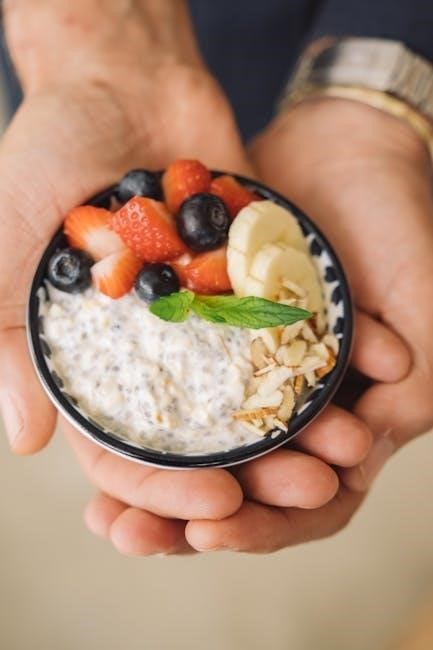
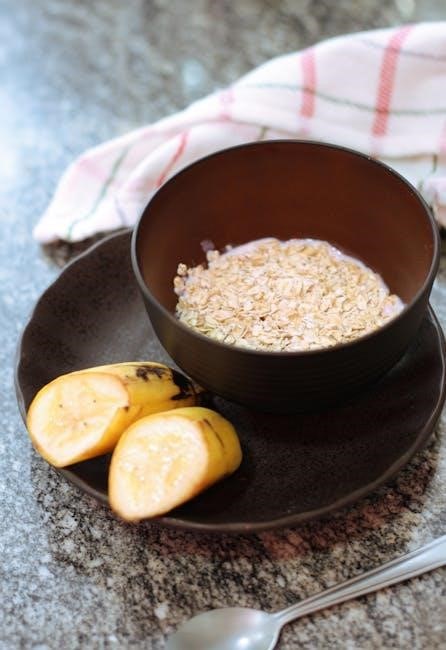
Begin your gluten-free journey with a nourishing start! For breakfast‚ enjoy a bowl of gluten-free oatmeal topped with berries and a sprinkle of chia seeds – a simple‚ energizing option.
Lunch could be a vibrant salad with grilled chicken or chickpeas‚ mixed greens‚ and a lemon-tahini dressing. Ensure all ingredients are certified gluten-free to avoid cross-contamination.
Dinner features baked salmon with roasted vegetables like broccoli and sweet potatoes. Season with herbs and spices for a flavorful‚ wholesome meal. Consider incorporating an Amy’s Kitchen gluten-free product for convenience.
Remember to read labels carefully and adjust portion sizes to meet your individual needs. Hydrate throughout the day and savor each delicious‚ gluten-free bite!
Day 2: Breakfast‚ Lunch & Dinner
Start your second day with a gluten-free pancake breakfast! Use a gluten-free flour blend and top with fresh fruit and a drizzle of maple syrup for a delightful treat.
For lunch‚ prepare a quinoa salad with black beans‚ corn‚ avocado‚ and a zesty lime dressing. This provides a protein-packed and fiber-rich midday meal‚ keeping you feeling full and energized.
Dinner consists of chicken stir-fry with brown rice and plenty of colorful vegetables. Use gluten-free soy sauce or tamari to ensure it remains compliant with your diet.
Don’t forget to check ingredient lists and adjust recipes based on your preferences. Enjoy the variety and flavors of this gluten-free lifestyle!
Day 3: Breakfast‚ Lunch & Dinner
Begin day three with a nourishing gluten-free oatmeal‚ enhanced with berries and a sprinkle of chia seeds for added fiber and nutrients. A comforting and wholesome start to your day!
Lunch features a vibrant salad with grilled salmon‚ mixed greens‚ and a lemon-herb vinaigrette. Salmon provides essential omega-3 fatty acids‚ contributing to overall health and well-being.
For dinner‚ savor a hearty lentil soup with gluten-free bread. Lentils are an excellent source of plant-based protein and fiber‚ making this a satisfying and nutritious meal.
Remember to always double-check labels and customize the plan to suit your individual dietary needs and preferences. Enjoy the journey!
Day 4: Breakfast‚ Lunch & Dinner
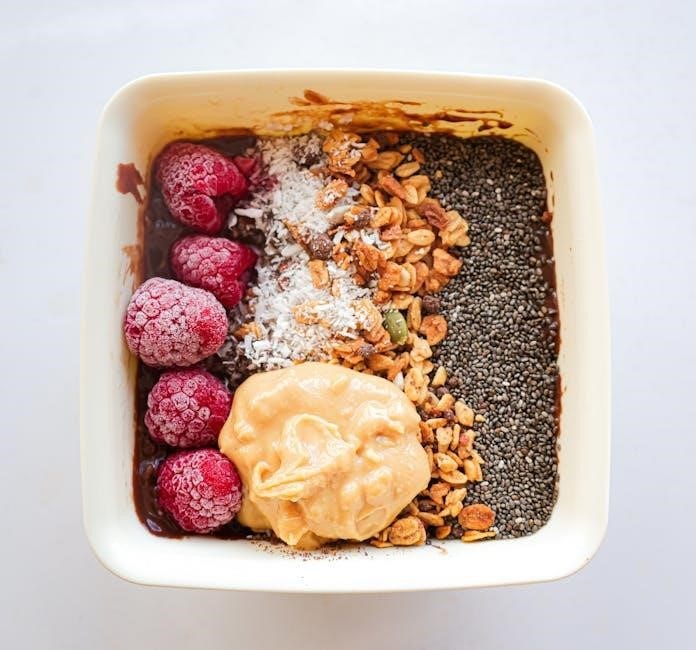
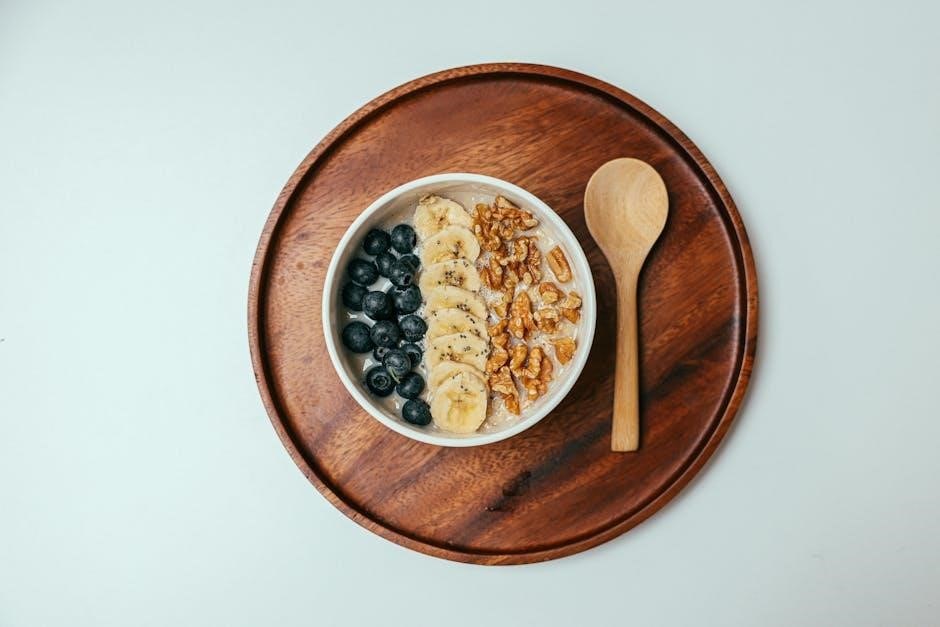
Start your fourth day with a delightful quinoa breakfast bowl‚ topped with sliced bananas‚ almonds‚ and a drizzle of maple syrup. Quinoa offers a complete protein source and sustained energy.
For lunch‚ enjoy a turkey and avocado lettuce wrap‚ providing a light yet satisfying meal. Avocado contributes healthy fats‚ while turkey offers lean protein for sustained fullness.
Dinner consists of baked chicken with roasted sweet potatoes and steamed broccoli. This combination delivers a balanced meal rich in vitamins‚ minerals‚ and essential nutrients.
Don’t forget to adjust portion sizes based on your individual needs and preferences. Embrace the flexibility of this plan and enjoy the delicious flavors!
Day 5: Breakfast‚ Lunch & Dinner
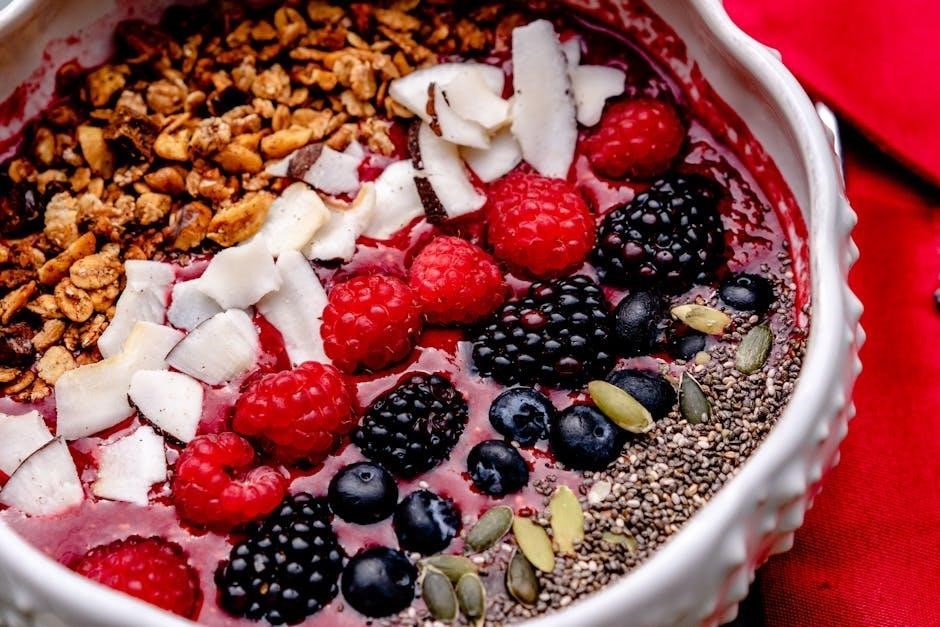
Begin day five with a creamy coconut yogurt parfait layered with gluten-free granola and mixed berries. This breakfast is packed with antioxidants and provides a delightful start to the day.
Lunch features a vibrant salmon salad with mixed greens‚ cucumber‚ and a lemon-dill vinaigrette. Salmon is rich in omega-3 fatty acids‚ promoting heart health and brain function.
For dinner‚ savor a hearty lentil soup with a side of gluten-free crackers. Lentils are an excellent source of plant-based protein and fiber‚ contributing to digestive health.
Remember to read ingredient labels carefully to ensure all components are certified gluten-free. Enjoy the variety and nourishment this plan offers!
Day 6: Breakfast‚ Lunch & Dinner
Start your sixth day with fluffy scrambled eggs with spinach and a side of sliced avocado. This provides a protein-rich and healthy-fat fueled breakfast to keep you energized.
For lunch‚ enjoy a colorful quinoa salad with roasted vegetables like bell peppers‚ zucchini‚ and chickpeas‚ tossed in a light vinaigrette. Quinoa is a complete protein and a fantastic gluten-free grain.
Dinner consists of baked chicken breast with roasted sweet potatoes and steamed broccoli. This meal offers a balanced combination of lean protein‚ complex carbohydrates‚ and essential vitamins.
Don’t forget to double-check all ingredients for gluten‚ as brands can vary. This plan aims to be both delicious and supportive of your dietary needs!
Day 7: Breakfast‚ Lunch & Dinner
Conclude your 7-day journey with a delightful breakfast of gluten-free oatmeal topped with berries and a sprinkle of nuts. This provides sustained energy and essential nutrients to start your day;
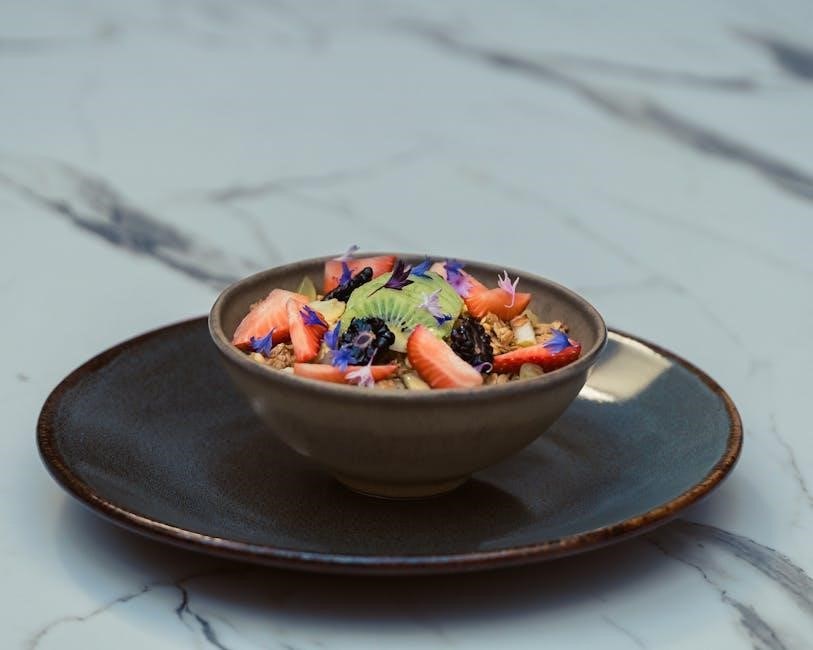
For lunch‚ savor a hearty lentil soup with a side of gluten-free crackers. Lentils are packed with protein and fiber‚ making for a satisfying and nourishing meal.
Dinner features salmon baked with lemon and herbs‚ served alongside a side of brown rice and asparagus. Salmon is rich in omega-3 fatty acids‚ promoting overall health.
Remember to always read food labels carefully to ensure gluten-free status. This plan is designed to be adaptable to your preferences and dietary requirements!
Grocery Shopping List for the 7-Day Plan
Stock up on staple gluten-free ingredients‚ fresh produce‚ and diverse protein sources to effortlessly execute this 7-day meal plan‚ ensuring a smooth transition.
Staple Gluten-Free Ingredients
Building a gluten-free pantry starts with essential staples. Ensure you have gluten-free flours – almond‚ rice‚ and tapioca are excellent choices for baking. Stock up on gluten-free pasta‚ bread‚ and crackers‚ carefully checking labels for certification.
Essential grains include quinoa‚ brown rice‚ and oats (certified gluten-free to avoid cross-contamination). Don’t forget naturally gluten-free options like cornmeal and polenta. For baking‚ acquire xanthan gum‚ a vital binding agent. Include gluten-free soy sauce or tamari for savory dishes.
Finally‚ versatile ingredients like coconut aminos‚ arrowroot powder‚ and nutritional yeast will enhance flavor and texture. Having these on hand simplifies meal preparation and ensures you’re always prepared for a delicious‚ gluten-free experience.
Produce Section Essentials
A vibrant produce section is the cornerstone of a healthy‚ gluten-free diet. Prioritize a rainbow of fruits and vegetables for optimal nutrition. Leafy greens like spinach and kale provide essential vitamins and minerals; Root vegetables – sweet potatoes‚ carrots‚ and parsnips – offer sustained energy.
Berries‚ apples‚ and bananas are perfect for snacks and breakfasts. Cruciferous vegetables like broccoli and cauliflower are nutrient powerhouses. Don’t overlook colorful peppers‚ zucchini‚ and tomatoes for versatile meal additions.
Fresh herbs – basil‚ parsley‚ and cilantro – elevate flavors naturally. Stocking up on these ensures delicious and wholesome meals‚ forming the foundation of your gluten-free meal plan.
Protein Sources
Sustaining energy and supporting muscle health on a gluten-free diet requires diverse protein sources. Lean meats like chicken and turkey are excellent choices‚ ensuring adequate intake. Fish‚ particularly salmon and tuna‚ provides essential omega-3 fatty acids.
Eggs are a versatile and affordable protein option‚ perfect for breakfasts or quick meals. Legumes – beans‚ lentils‚ and chickpeas – offer plant-based protein and fiber. Tofu and tempeh are fantastic alternatives for vegetarian and vegan diets.
Consider incorporating nuts and seeds for healthy fats and added protein‚ bolstering your gluten-free meal plan with essential nutrients.
Adapting the Plan to Your Needs
Personalize this plan by adjusting portion sizes‚ substituting ingredients based on preference‚ and accommodating dietary restrictions like dairy-free or plant-based needs.
Adjusting Portion Sizes
Individual nutritional needs vary greatly‚ so tailoring portion sizes is crucial for success with any meal plan‚ including a gluten-free one. This 7-day plan serves as a foundation; feel free to increase or decrease quantities based on your activity level‚ metabolism‚ and personal appetite.
Consider your daily caloric requirements and adjust accordingly. If you’re highly active‚ you may need larger portions of protein and complex carbohydrates. Conversely‚ if you’re aiming for weight management‚ mindful portion control is key. Don’t hesitate to use measuring cups and scales initially to gain a better understanding of appropriate serving sizes.
Remember‚ listening to your body’s hunger and fullness cues is paramount. The goal is to feel satisfied and energized‚ not overly full or deprived. Adjusting portion sizes ensures the plan aligns with your unique needs and supports a healthy‚ sustainable gluten-free lifestyle.
Substituting Ingredients
Flexibility is key when following a gluten-free meal plan. Don’t be afraid to substitute ingredients based on your preferences‚ allergies‚ or what’s available. Many recipes allow for easy swaps without compromising flavor or nutritional value.
For example‚ if a recipe calls for wheat flour‚ use a gluten-free blend‚ almond flour‚ or coconut flour as alternatives. Similarly‚ soy sauce can be replaced with tamari (gluten-free soy sauce). Explore different gluten-free pasta options like rice‚ corn‚ or quinoa pasta.
Always double-check ingredient labels to ensure substitutes are certified gluten-free. Experiment with herbs and spices to enhance flavors when making substitutions. Adapting the plan to your liking makes it more enjoyable and sustainable long-term.
Considering Dietary Restrictions (Dairy-Free‚ Plant-Based)
This 7-day gluten-free meal plan can be easily adapted for other dietary needs. For those avoiding dairy‚ substitute dairy milk with almond‚ soy‚ or coconut milk. Utilize dairy-free yogurt alternatives and explore vegan cheese options for recipes requiring cheese.
To make the plan plant-based‚ replace meat and poultry with tofu‚ tempeh‚ lentils‚ or beans. Ensure plant-based protein sources are adequately seasoned for optimal flavor. Many recipes are naturally dairy-free and plant-based‚ or require minimal adjustments.
Remember to check ingredient lists carefully‚ as hidden dairy or animal products can be present. Prioritizing whole‚ plant-based foods enhances the nutritional profile of the meal plan‚ catering to diverse dietary preferences.
Resources for Gluten-Free Recipes & Support
Explore online recipe websites and gluten-free communities for inspiration and assistance; Numerous cookbooks offer specialized guidance‚ fostering success on your journey!
Online Recipe Websites
Numerous websites dedicate themselves to gluten-free culinary creations‚ offering a wealth of recipes and inspiration. These platforms often feature user reviews‚ helpful tips‚ and detailed nutritional information‚ making meal planning easier. Websites like GlutenFree.com provide a comprehensive database of recipes‚ articles‚ and resources for those navigating a gluten-free lifestyle.
Additionally‚ sites such as Simply Gluten Free and Minimalist Baker (with gluten-free filters) showcase delicious and approachable recipes‚ catering to various skill levels and dietary preferences. Many food blogs also specialize in gluten-free cooking‚ offering unique and innovative ideas. Don’t hesitate to explore these digital resources to expand your culinary repertoire and discover new favorite dishes. Remember to always double-check ingredient lists!
Gluten-Free Communities & Forums
Connecting with others on a similar journey can provide invaluable support and encouragement. Gluten-free communities and forums offer a space to share experiences‚ ask questions‚ and discover new resources. Online platforms like Celiac.com’s discussion forums foster a sense of belonging and provide a wealth of practical advice from fellow gluten-free eaters.
Furthermore‚ Facebook groups dedicated to gluten-free living are abundant‚ offering a convenient way to connect with a large network of individuals. These communities often share recipes‚ product recommendations‚ and tips for navigating the challenges of a gluten-free diet. Engaging with these groups can alleviate feelings of isolation and empower you to succeed.
Recommended Gluten-Free Cookbooks
Expanding your culinary repertoire with dedicated gluten-free cookbooks can inspire creativity and confidence in the kitchen. “Gluten-Free Baking at Home” by Jeffrey Larsen offers a comprehensive guide to achieving delicious baked goods without gluten‚ covering everything from breads to pastries. For everyday meals‚ “The Gluten-Free Cookbook for Families” by Kim Barnouin and Gluten Free Living provides accessible and family-friendly recipes.
Additionally‚ “Against the Grain” by Melissa Joulwan focuses on paleo-inspired gluten-free recipes‚ emphasizing whole‚ unprocessed ingredients. These cookbooks not only provide recipes but also offer valuable insights into gluten-free cooking techniques and ingredient substitutions‚ empowering you to create flavorful and satisfying meals.